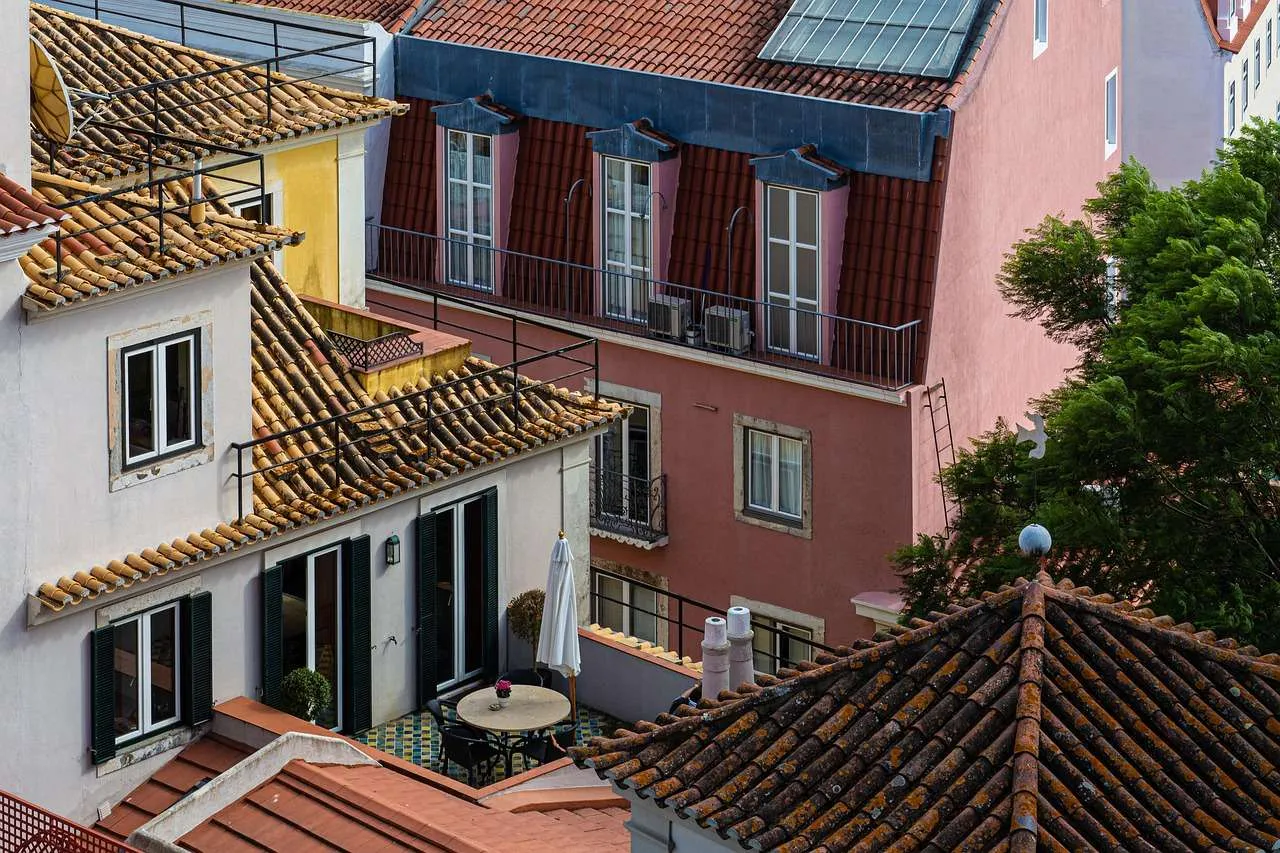
Repair of roofing is a critical home maintenance task. A small leak can cause water damage, mold, and structural problems if left unaddressed. This guide explains common roofing problems, how to assess them safely, and practical repair options that protect your home and budget.
Repair of Roofing: Why Timely Fixes Matter
Timely repairs prevent minor issues from escalating into major expenses. Regular inspections, especially after severe weather, help detect problems early. A professional assessment can distinguish between a simple patch and a necessary replacement, ensuring you invest wisely in your roof’s longevity.
Common Roof Problems
Roofing systems fail in predictable ways. Look for:
- Water stains on ceilings or walls, especially after rain
- Missing, curling, or damaged shingles
- Granule loss in gutters or downspouts
- Leaking around flashing, chimneys, or vents
- Snow/ice buildup or sagging sections indicating structural concerns
Causes and Detection
Most issues arise from aging, weather exposure, or improper installation. Heat cycles, wind uplift, hail, and debris can loosen shingles and flashing. A roof inspection should verify the condition of shingles, underlayment, flashing, penetrations, and attic ventilation to locate the true source of a problem.
Repair Techniques
Repair options vary by roof type and damage severity. Common techniques include:
- Patch and seal leaks using approved roof sealants for minor, surface-level leaks
- Shingle replacement for missing or severely damaged shingles
- Flashing repair around chimneys, vents, and wall intersections
- Decking repairs when the roof deck is rotten or compromised
- Gutter and downspout maintenance to ensure proper water flow away from the roof
Safety and DIY vs Professional
Working on a roof is hazardous. Falls, electrical hazards, and improper repairs can void warranties or create bigger problems. DIY repairs may be feasible for small, obvious issues on a low slope with proper safety gear, but most repairs should be performed by licensed contractors who can assess structural integrity and uphold manufacturer warranties.
Materials and Methods
Repair approaches depend on roof materials. Asphalt shingles, metal roofs, clay or concrete tiles each have distinct repair considerations. A professional can recommend compatible replacement materials, ensure proper flashing, ventilation, and insulation, and preserve energy efficiency and fire codes.
Maintenance and Prevention
Preventive steps extend roof life: routine inspections, clearing debris from gutters, trimming overhanging branches, addressing algae or moss, and ensuring attic ventilation reduces heat buildup that accelerates wear. Proper maintenance reduces the frequency and cost of repairs over time.
When to Repair, When to Replace
Repair is often appropriate for localized damage or recent wear in a small area. Replacement becomes cost-effective when multiple sections are failing or the roof age approaches or exceeds its expected lifespan. A professional assessment helps determine whether repair preserves value or a full replacement is the wiser long-term choice.
Hiring a Roofing Contractor
To ensure quality and protect your investment, choose a contractor with:
- Licensing and insurance coverage
- Clear written estimates, scope of work, and material specifications
- Warranties for workmanship and materials
- Evidence of past projects and client references
- Compliance with local building codes and safety standards
Ask about inspection steps, expected timelines, disposal of old materials, and how they handle hidden damage. A good contractor will provide a transparent plan and communicate openly about costs and process.
Cost Considerations
Repair costs vary by damage type, roof size, materials, and labor rates. Below is a quick reference to common repair options and typical ranges to help with budgeting. Note that a professional assessment is essential for an accurate quote.
| Repair Type | Typical Causes | Pros | Cons | Estimated Cost |
|---|---|---|---|---|
| Shingle replacement | Missing or damaged shingles | Stops leaks, restores appearance | Labor-intensive if large area | $300–$1,000 per patch area |
| Flashing repair | Leaks around chimneys, vents | Prevents water intrusion | Access challenges in tight spaces | $200–$600 |
| Sealant/patch | Temporary leaks | Low cost, quick fix | Temporary; not for structural damage | $150–$500 |
| Roof decking repair | Water damage or rot | Addresses root cause | Can be invasive and expensive | $1,000–$5,000 |
| Full roof replacement | Ageing, extensive damage | Long-term solution | Most costly option | Varies by size; often >$5,000 |
Conclusion and Summary
Ultimately, repair of roofing is a balance between protecting your home and managing costs. Prioritize safety, obtain professional assessments, and choose materials and methods that fit your climate and roof type. With a proactive maintenance plan, you can extend roof life and minimize disruption during repairs.
Conclusion, repair of roofing requires timely evaluation, professional workmanship, and preventive care to safeguard your home, budget, and peace of mind.